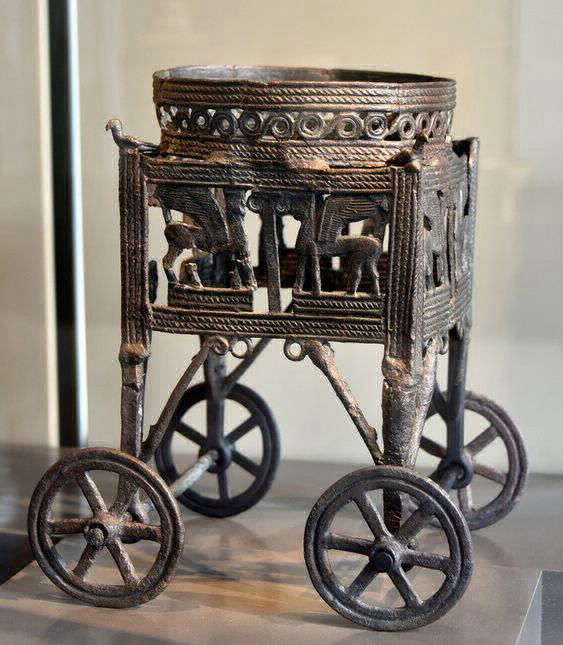
A wise person once said that in order to understand what history looked like - one must try to envision what it was the historians of ancient times and the chroniclers of scripture beheld before their eyes - that made them describe it in their own unique language. That was the guiding light that illuminated our journey. And so, we set about it through a multitude of questions - each of them only leading to a dozen more.
It is with great pleasure and pride that we behold today the fruit of our labor. It was well-nigh 13 years of careful study and a meticulous approach, that allowed this dream to materialize. We also wish to thank the people of vision and courage, without whom none of this could have happened.
The challenges were indeed great from the very get-go. How to separate fact from fancy? How to reconcile scripture with science?
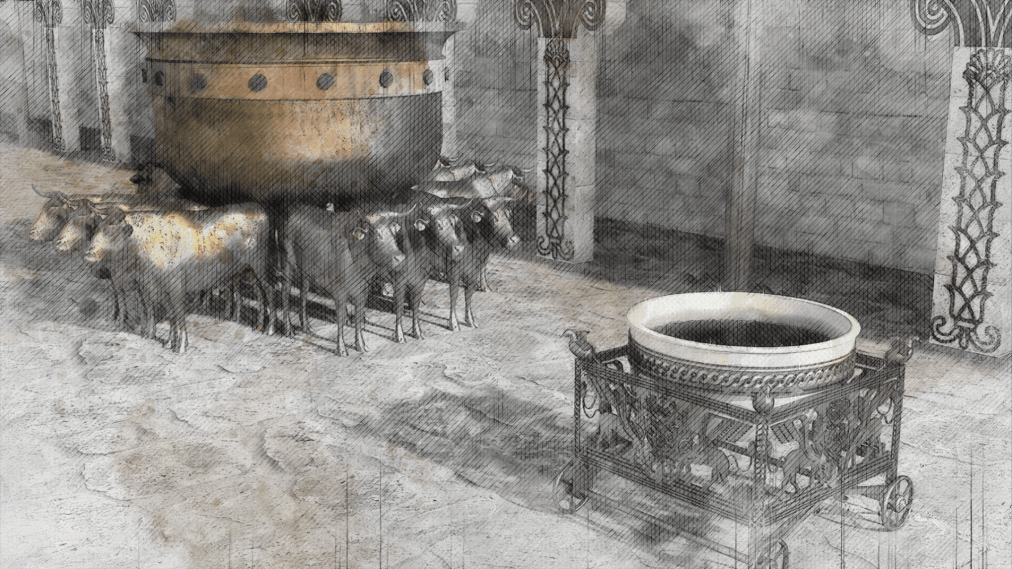
How long is a cubit, for instance, was among the first ones. That only led to a myriad of possible answers, offered by the most learned of Biblical commentators: Maimonides, Karelitz, Vilna Gaon, Moses Sofer, Landau of Prague, to name but a few. Should we perhaps consider the Siloam approach instead? We tried to interpret the interpreter's motives for their suggestions. Were they considering a building, or a Halachic ruling to consider Prohibition of a Priestly defilement by the dead? Such were the questions we were facing all those years ago. And those were the easy ones...
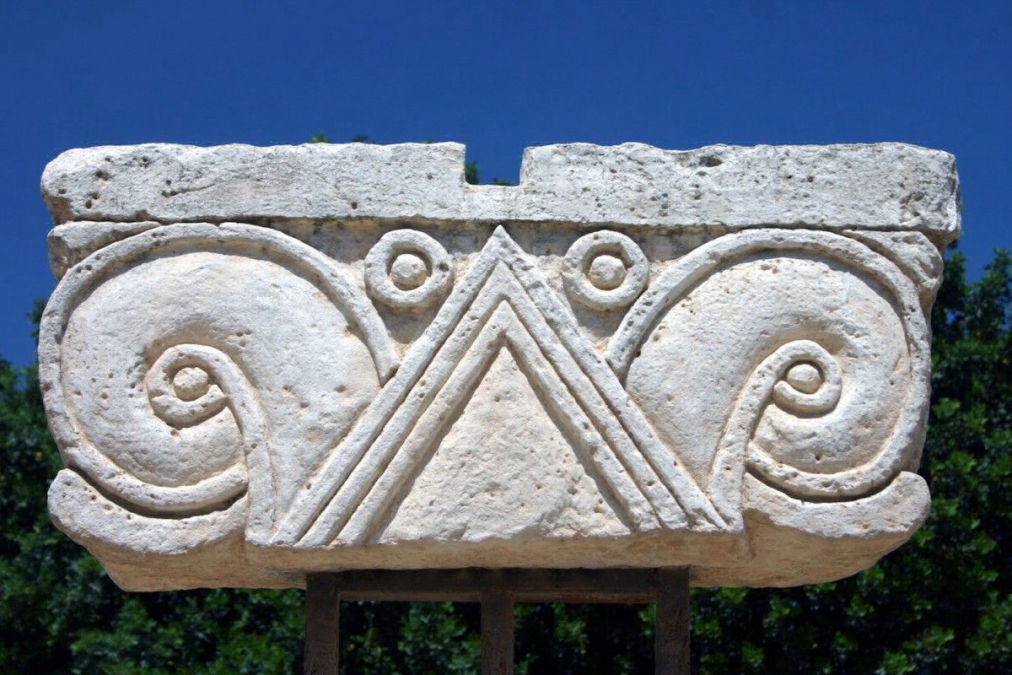
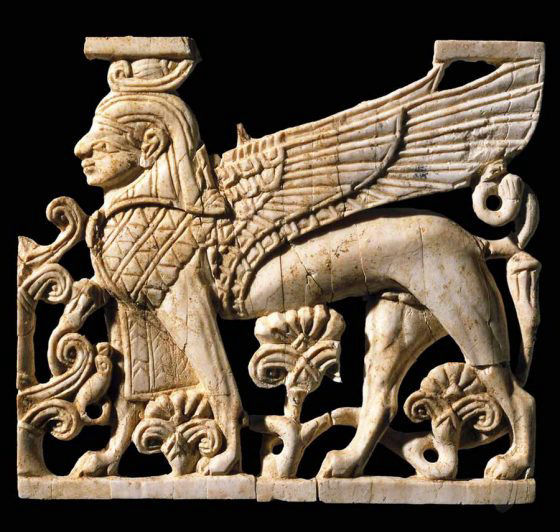
It was not enough that we knew that palm tree motifs decorated the Temple's Sanctum - we had to know what they looked like. The same applied to such features as "knops and open flowers", or "Cherubim". We had to decipher what "windows of narrow lights" were. What "door-posts within a frame four-square" were. What "Oil wood" was, and which other types of wood were used in building the Temple. What was the difference between zahav (gold) and zahav sagur (closed gold).
How long is a cubit, for instance, was among the first ones. That only led to a myriad of possible answers, offered by the most learned of Biblical commentators: Maimonides, Karelitz, Vilna Gaon, Moses Sofer, Landau of Prague, to name but a few. Should we perhaps consider the Siloam approach instead? We tried to interpret the interpreter's motives for their suggestions. Were they considering a building, or a Halachic ruling to consider Prohibition of a Priestly defilement by the dead? Such were the questions we were facing all those years ago. And those were the easy ones...
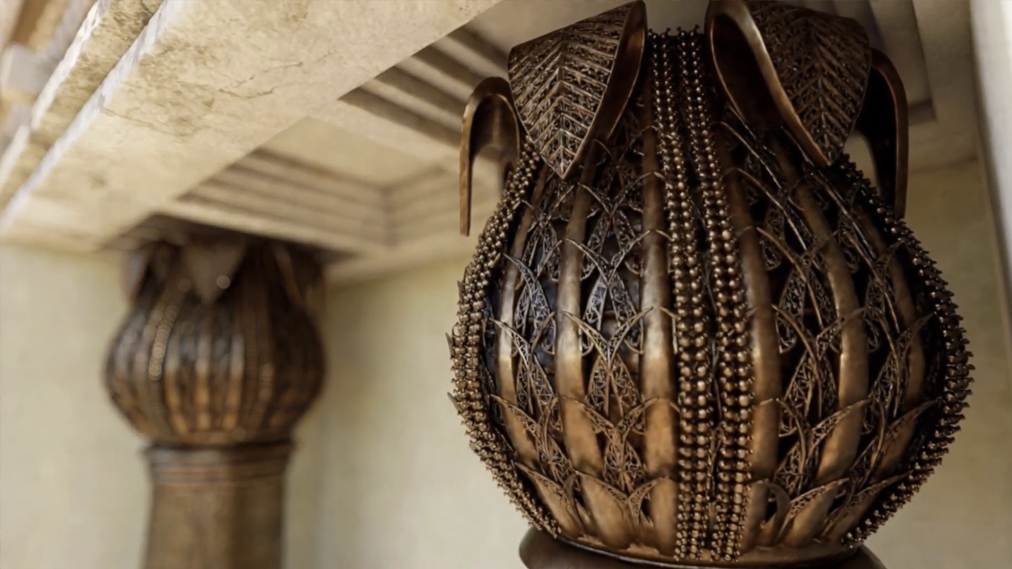
The two columns, Boaz and Jachin, were a particular challenge. They were so grandiose as to make it into the chronicles with considerable caliber. But the terms used by the esteemed eye witness were very local and somewhat incomprehensive to anyone other than his contemporaries. Our solution to this conundrum, as indeed every other aspect of our reconstruction efforts, had to withstand the strict scrutiny of our illustrious scientific advisor, as well as our scriptural advisor. This was no easy task to perform.
A wise person once said that in order to understand what history looked like - one must try to envision what it was the historians of ancient times and the chroniclers of scripture beheld before their eyes - that made them describe it in their own unique language. That was the guiding light that illuminated our journey. And so, we set about it through a multitude of questions - each of them only leading to a dozen more.
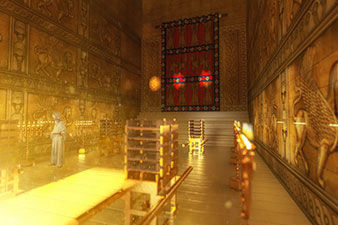
Such was our labor. But a labor of love it truly was. And you have now the rare opportunity of becoming privy to the wonders of Solomon's Temple. You can walk between the two columns, enter through door-posts within a frame four-square. You can gaze up at the windows of narrow lights, and enter the innermost chamber where no king or emperor ever set foot.